



Article by Bianca Sengos, Founder and CEO of Rainbow Sounds
The growth of social fitness has been massive. At 5 a.m. in many cities across the world, something remarkable is happening. Groups of 20, 50, sometimes 2,000 people are gathering outside coffee shops and parks, and heading off together for a 5K run. The best thing is, there is no membership card required. No monthly direct debit. Just movement, conversation, and the kind of easy human connection that’s become increasingly rare.
Gyms started many of these run clubs. And in doing so, they’ve accidentally revealed exactly what modern wellness seekers are hungry for, and then failed to feed them all, only caring for those who like to run.
-----
How the run club boomed, and what’s next?
The explosion of gym-led run clubs over the past few years is genuinely impressive. Forward-thinking fitness brands recognised that the old model of come in, use the equipment, go home wasn’t enough to retain members or attract new ones. People wanted community. They wanted a reason to show up that felt less like an obligation and more like a social event.
So gyms moved outside. They partnered with local routes, handed out branded T-shirts, and created WhatsApp groups that buzzed with energy. Membership numbers ticked up. Social media content practically generated itself.
But here’s the question nobody seems to be asking: if the magic happens outside the gym walls, why does the programming stop there, and why is it only for those who like to run?
Run clubs proved something important. The most powerful thing a gym can offer isn’t equipment, it’s belonging. And belonging doesn’t care whether it happens on a treadmill, on a towpath, or in a church hall on a Sunday morning. People want to belong, and psychology tells us this is a basic core need of all humans, not just ones who can run.
-----
We are increasingly seeing fitness trying to be “wellness”. Well, they are now better at recovery, not yet at true wellness. Let’s explore how fitness can get more into wellness.
The Missed Collaboration: Yoga Studios, Mindfulness, and the Space Between
While gyms have embraced outdoor running, they’ve largely ignored the vast ecosystem of wellness spaces and practitioners that exist right alongside them in every community.
Consider what’s sitting, often underutilised, within a short radius of almost any gym:
- Independent yoga studios with beautiful spaces and instructors already expert in breathwork, somatic movement, and mindfulness facilitation
- Community halls and local venues are bookable for a fraction of the cost of building new facilities
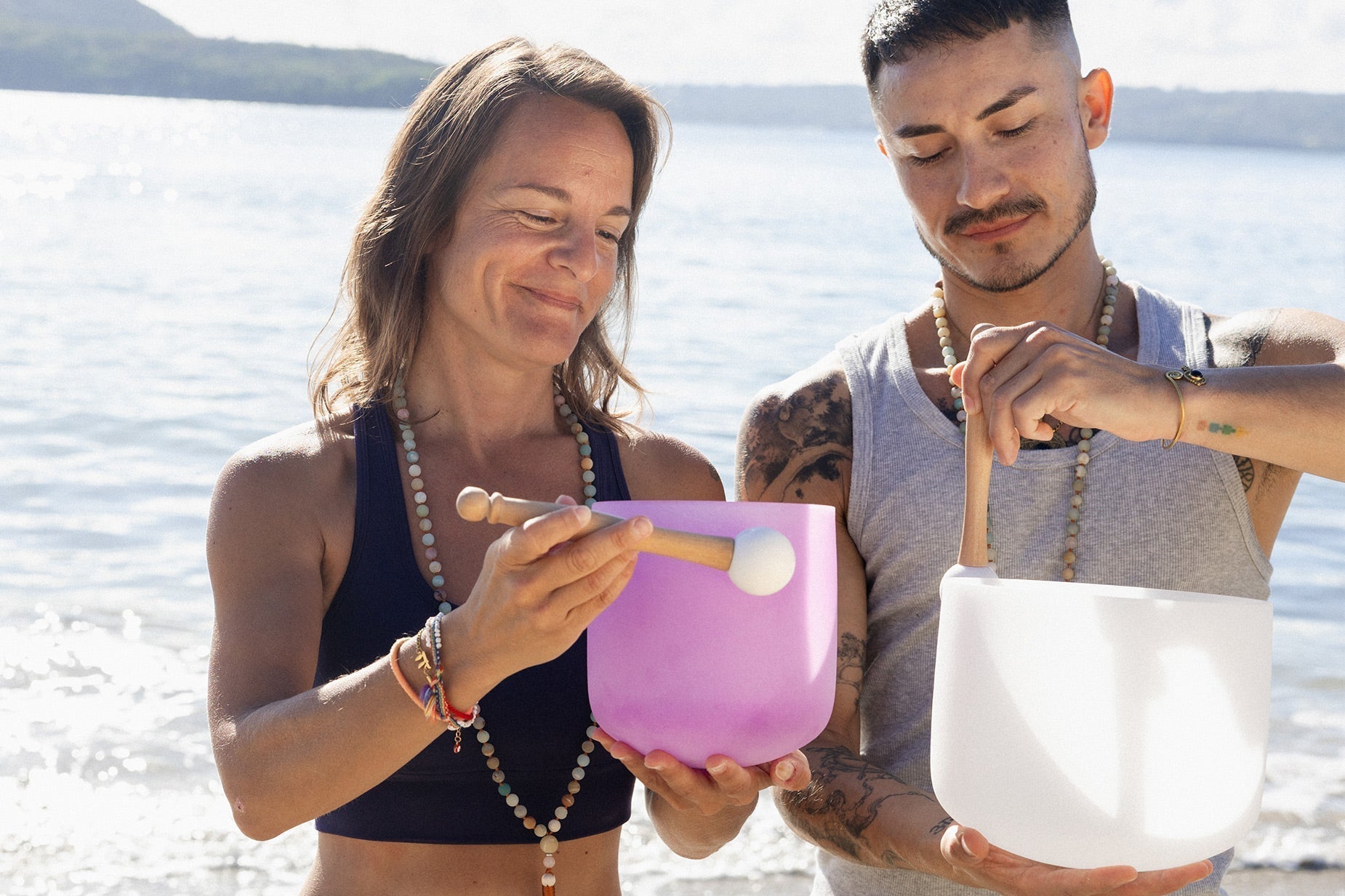
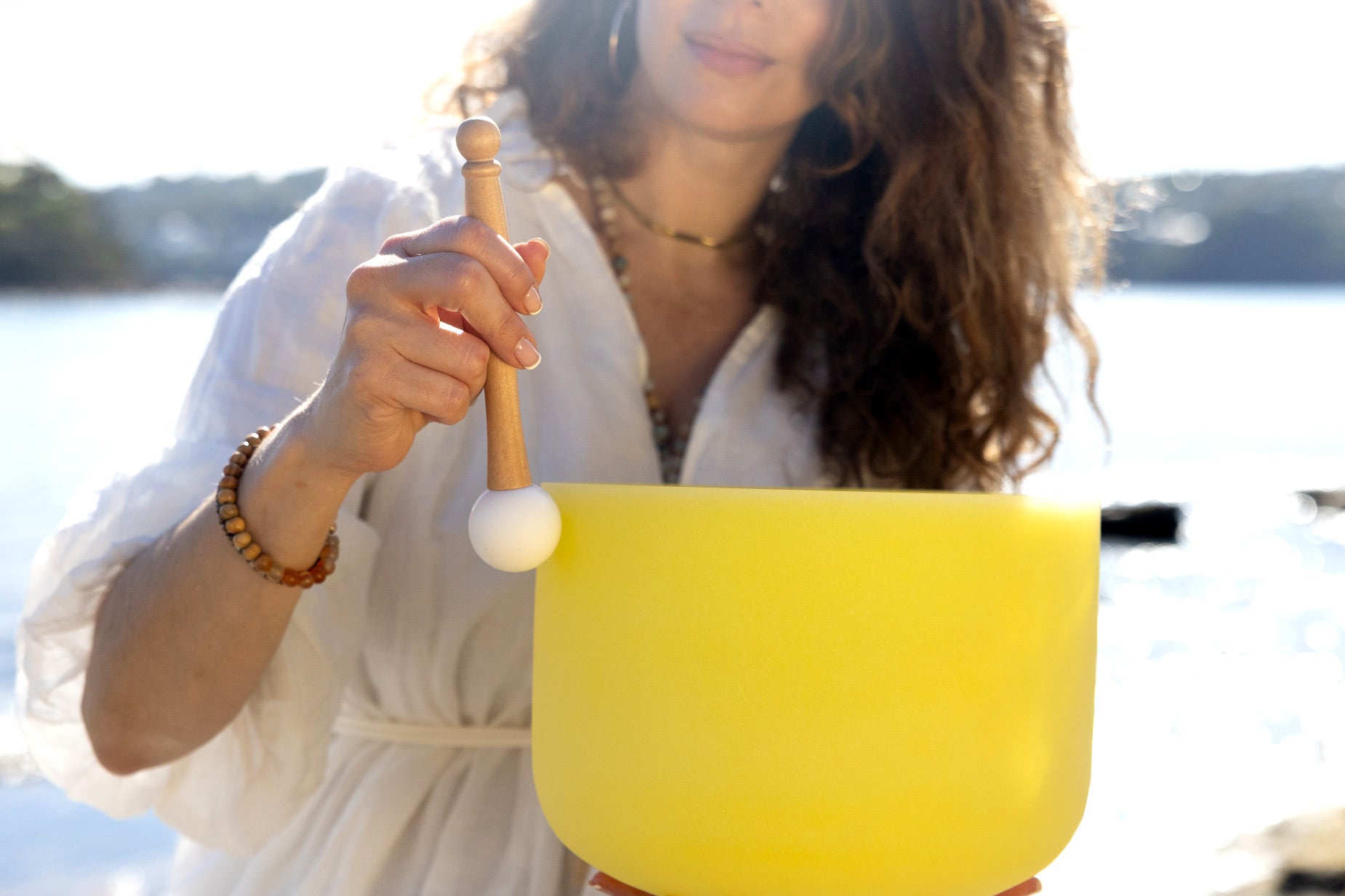
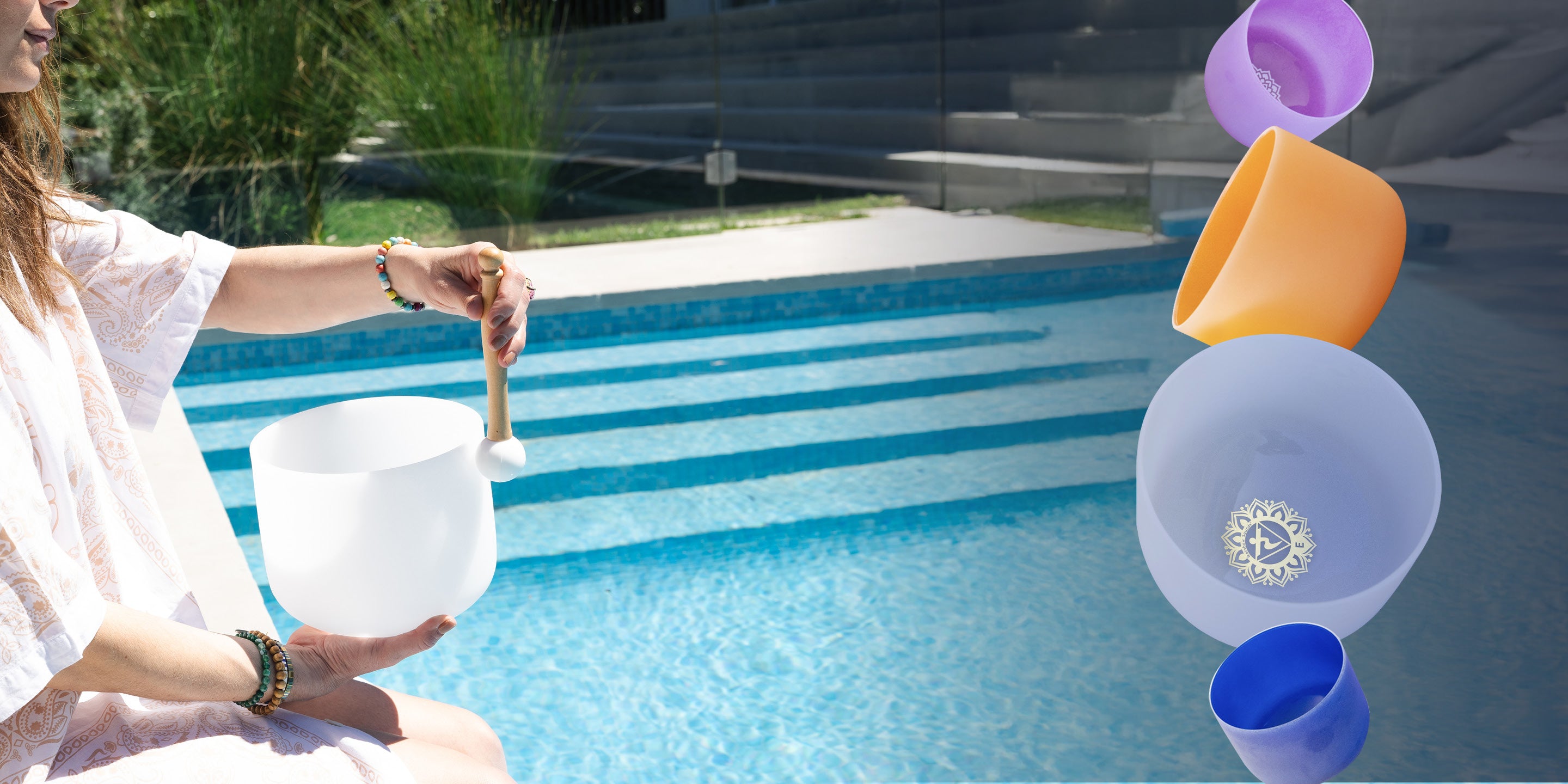
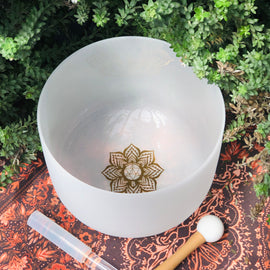
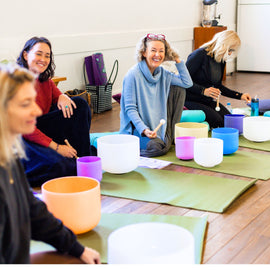
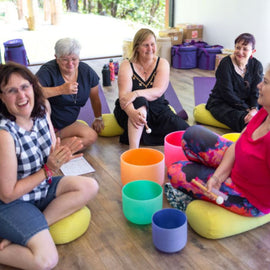
- A vast multi-modality awaits: yoga teachers, sound bath practitioners, SonicSounds instructors, and somatic therapists who often work solo and would welcome the audience a gym’s member base provides
- Cafés and co-working spaces that double as natural post-session gathering points
The opportunity is very straightforward: it’s the same energy that powers a Saturday morning run club that could power a Sunday somatic movement and breathwork session in a hired hall. The same WhatsApp group that coordinates 5K run meetups could share a link to a partner yoga studio’s Tuesday evening flow class.
Gym owners, it’s right in front of you. I’m spelling it out because I'm not a runner. I go to a gym, use equipment, and leave. I join a group class, but the instructor does not encourage social interaction. I thought I wanted to join a gym, but what I want to join is a social wellness club, not just a running club.
Now, this isn’t about gyms becoming something they’re not—I know many want to “stay in their lane”. This is about gyms recognising that their members’ wellness lives extend far beyond the equipment floor, and you can right now choose to be present for that wider member journey rather than absent from it. Please try something new before you’re left behind. 🙏🏽🦖
-----
 Social Wellness: The Concept Gyms Keep Circling Without Landing
There’s a phrase worth paying attention to: social wellness. It refers to the quality of our relationships, our sense of community, and how connected we feel to the people around us. Research consistently links it to better mental health outcomes, longer life expectancy, and, crucially for gyms, stronger habit formation around exercise.
People are more likely to stick to things they do with other people. They return to places where they feel known, where they have a few buddies.
Run clubs intuitively understand this. The run is almost secondary to the coffee and conversation that follows. I mean, who is talking while running anyway? The endorphins are real, but the thing that keeps people coming back week after week is that someone noticed when they weren’t there, or the conversation about where to go after, or if we are all getting the same shirt this season.
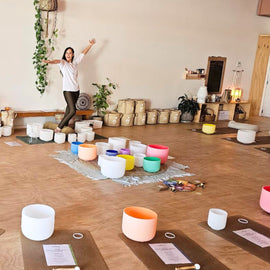
Well, that’s the runners’ story. What about everyone else? Being more inclusive is perhaps a concept worth exploring for wider community reach. Think of holistic fitness approaches to health: mindfulness classes, yoga sessions, sound baths, and even community wellness events like SonicSounds interactive mindfulness work exactly the same way. Any of these classes in a local hall, organised through the gym but held somewhere unexpected, sends a powerful message to members: it says, we care about your whole self, not just your fitness metrics, and not just the ones who like to run outside.
-----
What a Joined-Up Social Wellness Programme Could Look Like
The blueprint isn’t complicated. Gyms already have the infrastructure: member communication channels, brand trust, community credibility, and often a marketing team looking for content. What’s needed is a broader vision of where “the gym” actually starts and ends.
Partnership rather than competition. Reach out to the yoga studio two streets away. Offer a reciprocal arrangement: their members get a trial gym week, your members get access to their Saturday morning yin class. Both communities grow. Both brands are strengthened.
Hire the hall. A local community centre, a church space, dance studio, or an arts venue—these are remarkably affordable and immediately accessible. Running a monthly mindfulness morning, ticketed at low cost or included in membership, creates a touchpoint entirely outside the gym building. The association stays; the location changes.
Be inclusive, be interactive, be mindful. It will build community, impact lives, strengthen brand loyalty, and improve member retention.
Programme the in-between. Run clubs show the power of the before and after: the warm-up chat, the cool-down coffee. Build programming that lives deliberately in those spaces. A post-run breathwork session on the grass. A guided sounding class to warm up voices before guided partner stretches and talk in the park. Wellness doesn’t require a gym floor; it requires care and compassion, and awareness of your community and members’ needs.
Involve local wellness practitioners. Freelance mindfulness coaches, sound bath facilitators, meditation teachers, and multi-modality therapists are often looking for exactly what a gym can provide: a warm, motivated, wellness-oriented audience. Revenue sharing, workspace exchange, or simple co-promotion can make these partnerships work for everyone. I dare you to try it for three months, gather member feedback, and see your own efforts pay off.
-----
The Members Are Already Telling You What They Want
The irony is that gyms don’t need to guess what their members want. The evidence is in the run club attendance sheets, in the comments under wellness content on social media, in conversations happening in changing rooms and car parks after class, and in the trends published by the Global Wellness Institute.
The writing is on the wall. It says: “Social wellness is in demand.”
Members aren’t just looking for a place to exercise. They’re looking for a life that feels good—one that includes movement, yes, but also stillness. Connection as well as solitude. Sweat sessions, and also slow mornings of breath, movement, and sound followed by stillness and reflection.
The gym that understands this—that recognises its real product is not access to equipment but access to a better version of your daily life—is the gym that will build something genuinely hard to cancel.
-----
Running Forward, Together
The run club was a brilliant instinct. It showed that community-first programming works, that members respond to belonging, and that wellness happens in the real world, not just within four walls.
Now it’s time to take that same instinct further. To call the yoga studio. To book the hall. To bring a mindfulness teacher out to the park where the run finishes and let the session breathe a little longer.
Social wellness isn’t a trend to capitalise on. It’s a fundamental human need, and gyms are uniquely positioned to meet it, if they’re willing to look up from the treadmill and see how much wider the world of wellbeing really is.
I challenge you to widen your awareness and dare to do things differently to yield different results.
-----
Written for the fitness industry, by Bianca Sengos founder of Rainbow Sounds.