




Article by Bianca Sengos, Founder and CEO of Rainbow Sounds
For decades, physical fitness has been viewed as a key ingredient of success. It is well known that wealthy and high-performing individuals invest heavily in personal trainers, gym memberships, nutrition plans, wearable technology, and recovery tools to improve their health and performance. Longevity is a priority for them, and they are intentional about achieving results in life.
What’s more is that a growing body of research suggests that another form of fitness may be equally important: mental fitness.
Increasingly, scientists, health professionals, and performance experts are recognizing that the ability to regulate attention, manage stress, and recover from mental overload may be one of the most valuable skills in modern life.
The challenge is that many high achievers spend their days in a constant state of cognitive demand. Emails, meetings, deadlines, notifications, decision-making, and problem-solving place continuous pressure on the brain and nervous system. While this level of engagement can drive results, it can also create a hidden cost.
Research published in journals focused on neuroscience and stress physiology has demonstrated that chronic stress can affect concentration, emotional regulation, sleep quality, creativity, and overall wellbeing. Elevated cortisol levels over prolonged periods may contribute to fatigue, burnout, and reduced resilience.
This is where mindfulness is entering the conversation.
Traditionally associated with meditation, mindfulness is increasingly being viewed through the lens of performance science. Rather than simply helping people relax, mindfulness practices appear to strengthen attention networks within the brain, improve emotional regulation, and support nervous system recovery.
“Many performance experts now describe mindfulness as ‘mental training’ rather than stress management,” says Bianca Sengos, founder of RainbowSounds.co.
One emerging approach combines mindfulness with sound therapy bowls.
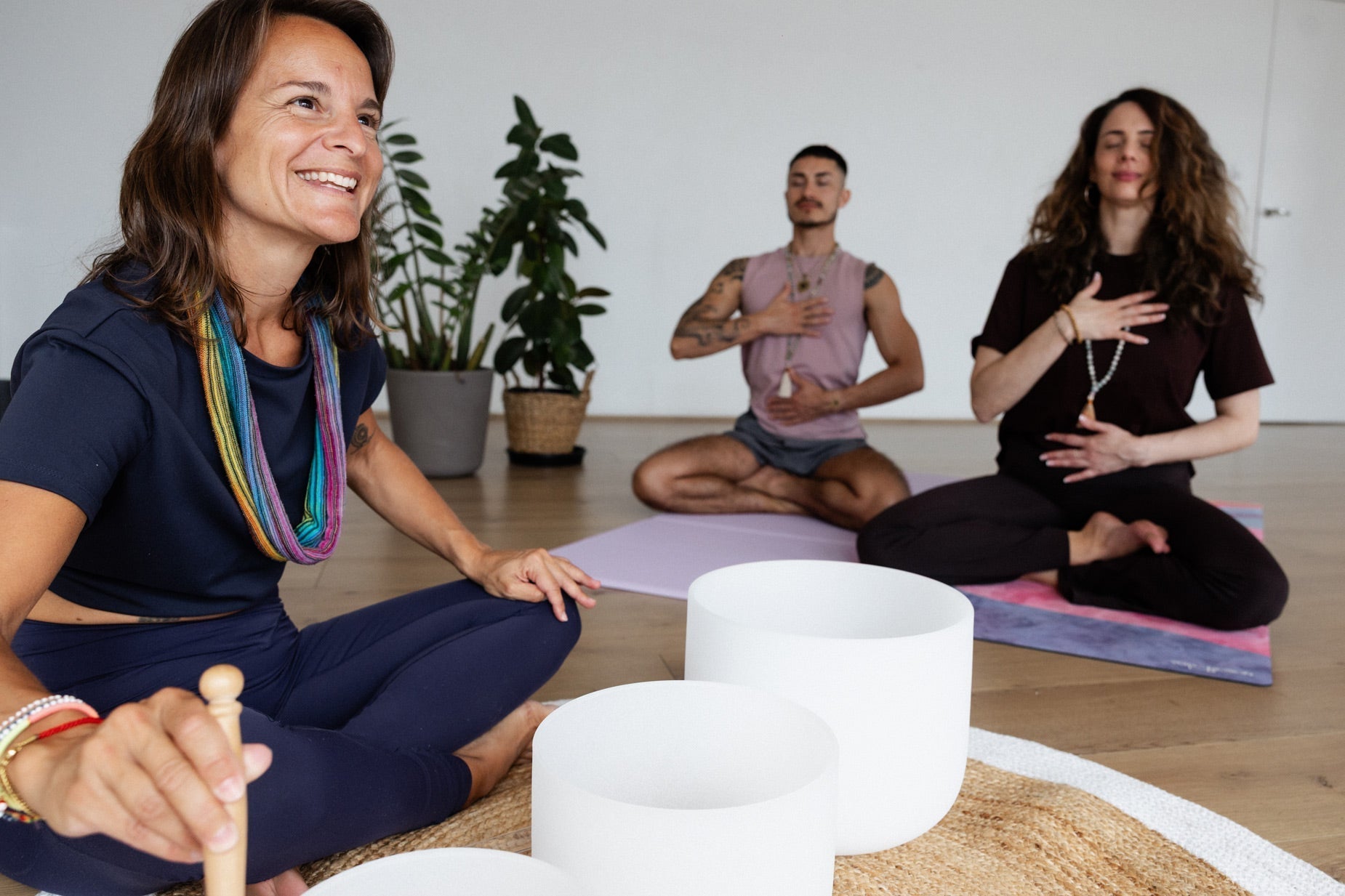
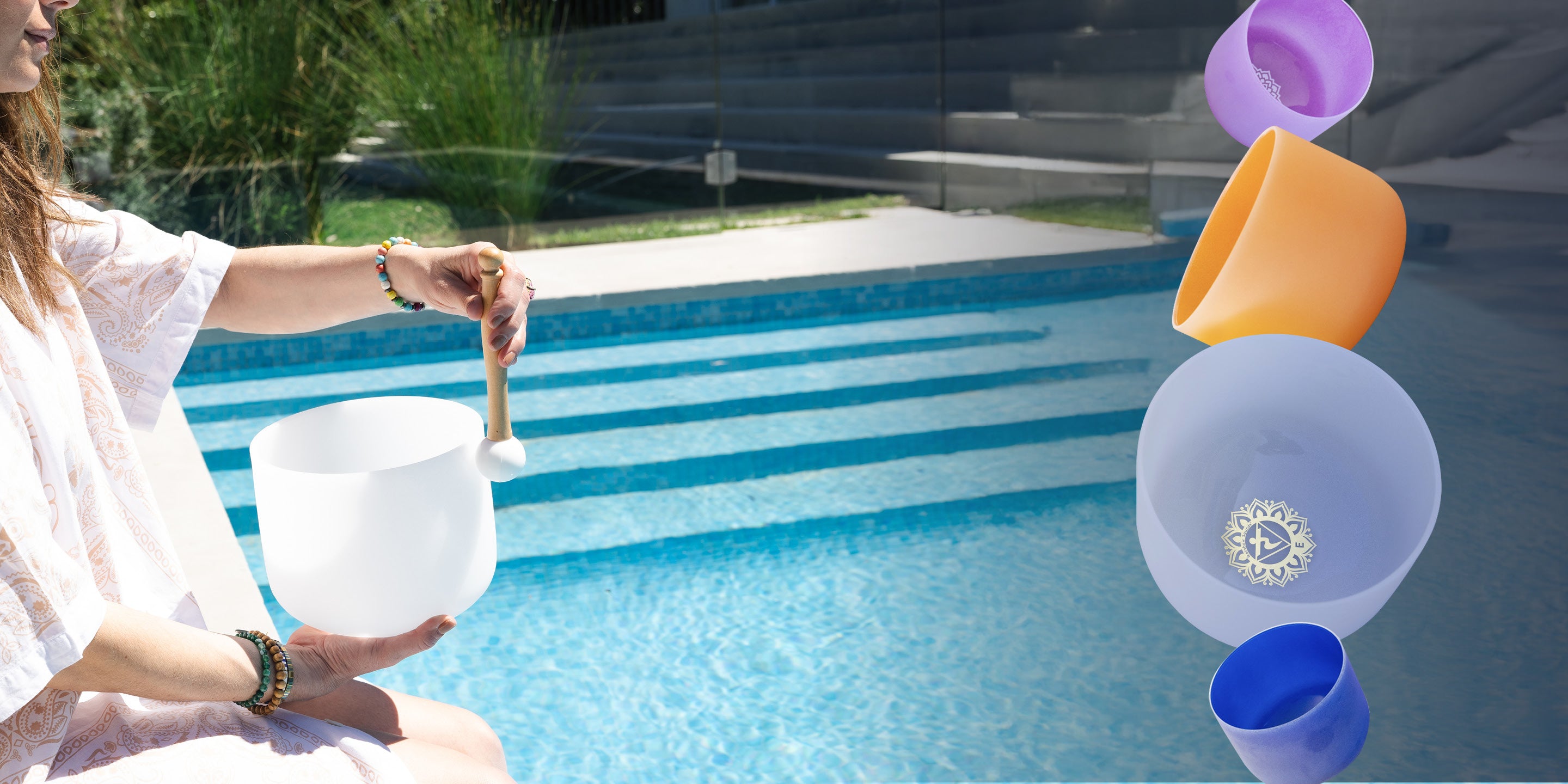
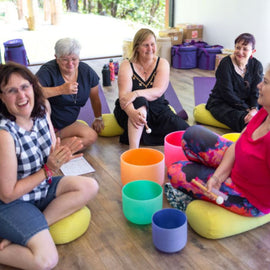
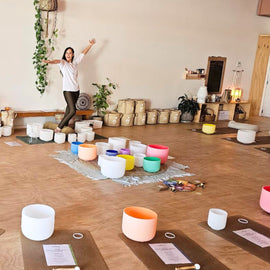
Sound therapy bowls, often made from quartz crystal, produce sustained tones that can act as an anchor for attention. Instead of attempting to force the mind into silence, participants simply focus on the sound, their breath, and their physical sensations.
This process can be particularly effective for busy minds because it provides a tangible focal point.

Try something new today, give yourself ten minutes:
- Sit comfortably with a sound therapy bowl.
- Take five slow deep diaphragmatic belly breaths.
- Gently play the bowl and focus attention on the sound as it expands and fades.
- Notice physical sensations throughout the body.
- Repeat for five to ten minutes. Don’t track your time; just go with the flow.
While deceptively simple, practices like this help train one of the most valuable performance skills available today: the ability to deliberately direct attention.
Studies involving mindfulness training have found improvements in attention, working memory, emotional resilience, and stress management. Researchers have also observed changes in brain regions associated with self-awareness and executive function.
“For high performers, these benefits extend beyond wellbeing; we are now focused on longevity,” says Bianca Sengos, founder of RainbowSounds.co.
A more regulated nervous system often leads to better decision-making, clearer communication, improved leadership, and greater adaptability during periods of uncertainty.
In many ways, mindfulness is following the same path that physical fitness followed decades ago. What was once considered optional is increasingly becoming essential.
“The most successful people of the future are not those who work harder or move faster; they are those who have learned to balance periods of high output with deliberate mental recovery,” says Bianca Sengos, founder of RainbowSounds.co.
Just as the body benefits from exercise and rest, the mind appears to thrive when periods of focused effort are balanced with moments of awareness.
The emerging evidence is clear: mental recovery is no longer a luxury. It is becoming a competitive advantage.
And for many people, that journey begins with a simple daily ritual: a few conscious breaths and the sound of a single sound therapy bowl. Choose to be successful today.